Starter plan
Walking Workout Plan for Beginners: 4 Weeks to 30 Minutes

This guide contains affiliate links. If you buy through them, Holistic Life may earn a small commission at no extra cost to you. How we use affiliate links.
Quick answer
- Start with three 10-minute walks in week one and build to about 30 minutes by week four.
- Walk at a pace where you can talk but not sing. That is a comfortable, steady effort.
- Missed a day? Skip the catch-up and simply pick up with the next walk on your plan.
- Cold or dark out? Walk indoors on a treadmill, a walking pad, or laps at a mall.
Walking is one of the simplest ways to start moving more. It needs no gym, no class and no special skill. The trick is to start small enough that you actually keep going. This nurse-run page gives you four weeks of short, easy walks that build toward about 30 minutes.
The 4-week plan
Walk at an easy pace and keep the days apart, so you have a rest day between walks where you can. If a week feels too hard, repeat it. There is no prize for rushing.
| Week | Days per week | Minutes per walk | Note |
|---|---|---|---|
| 1 | 3 | 10 | Easy and flat. Focus on showing up. |
| 2 | 4 | 15 | Add a day. Keep the pace relaxed. |
| 3 | 4 | 20 to 25 | Add a gentle hill or a brisker stretch if it feels good. |
| 4 | 5 | 30 | You are walking about 30 minutes most days. |
The CDC says adults need 150 minutes of moderate-intensity activity a week. Five 30-minute walks add up to exactly that, so week four is a real milestone. If you cannot reach it yet, that is fine. Any walking counts as a step in the right direction.
How fast should you walk?
Skip the numbers and use the talk test. The CDC describes it as a rule of thumb: at a moderate effort you can talk but not sing while you move. If you can sing, you can go a bit faster. If you cannot say more than a few words without pausing for breath, slow down.
Beginners often start too fast. A slower pace you can hold for the full time is better than a quick start and an early stop.
What to do on a missed day
Life happens. Do not try to double up. Here is a simple rule:
- Missed one walk: Do the next walk on your plan as normal.
- Missed a few days: Repeat the last week you finished, then move on.
- Missed a whole week: Restart at week one. It will feel easier than the first time.
Short walks still build the habit. Ten minutes after lunch beats no walk at all.
Cold, dark or rainy days
Plans fail on bad-weather days, so have a backup ready:
- A walking pad or treadmill. A walking pad is a slim treadmill meant for slow walking. Our walking pad buying checklist covers what to check before you choose one.
- A mall or a big store. Some malls let walkers in early. Walk laps at your usual pace.
- Walk and talk. Pace a hallway or a living room while you take a phone call.
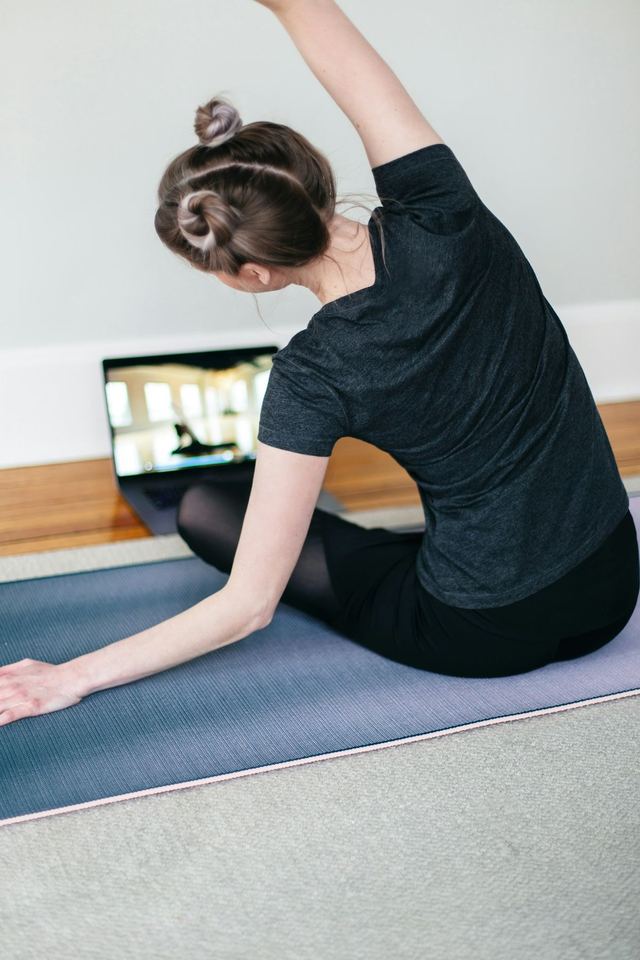
- Follow a video. An indoor walking video gives you something to look at.
Comfort and safety
- Shoes: Pick supportive, comfortable walking or running shoes with room for your toes. Replace them when the cushioning feels flat.
- Warm up: Walk slowly for the first few minutes, then settle into your pace.
- Water: Bring a bottle for walks over 20 minutes or on warm days.
- Be seen: Wear light or reflective clothing in low light, and walk facing traffic where there is no sidewalk.
- Stop if needed: Stop and rest if you feel dizzy, short of breath in an unusual way, or have chest pain. If it keeps happening, talk to a clinician.
A few things that make walking easier
You do not need much. These small items solve the usual problems: sore feet, short days, thirst and bad weather.
Cushioned walking socks
Blisters and sore feet make a new habit hard to keep. Good socks cut down on rubbing and keep feet drier.
What to look for
- Moisture-wicking fabric, not plain cotton
- Extra cushioning under the heel and ball of the foot
- A snug fit with no bunching at the toes
See walking socks on Amazon (paid link)
Reflective gear
Winter means short days. A reflective vest, band or clip-on light helps drivers see you if you walk early or after work.
What to look for
- Reflective material visible from the front and the back
- A light, adjustable fit over a coat
- A small clip-on light, with batteries you can replace or recharge
See reflective gear on Amazon (paid link)
Insulated water bottle
A bottle you like carrying makes it easier to sip water on longer walks, and an insulated one keeps drinks cold or warm.
What to look for
- A lid that does not leak in a bag
- A size that fits a pocket or cup holder
- A strap or loop for carrying
See insulated bottles on Amazon (paid link)
Walking pad
A compact walking treadmill means weather and darkness stop being an excuse. It slides under a couch or bed when you are done.
What to look for
- A quiet motor if you live in an apartment
- A low top speed set for walking, with a remote or app control
- A weight limit that suits you and a belt wide enough for a natural stride
See walking pads on Amazon (paid link)
After week four
Do not stop now. A few ways to keep going:
- Hold steady. Keep walking 30 minutes, five days a week, for another month.
- Add some variety. Try a new route, a hill, or a brisk interval, such as one minute faster then two minutes easy.
- Add strength. Strength moves pair well with walking. Try our 15-minute beginner home workout on your rest days.
- Make it social. Ask a friend, a neighbor or a coworker to join you. A standing date is hard to skip.
If you are shopping for a walker you love, our gifts for walkers list has simple ideas for every space and style.
Frequently asked questions
How fast should a beginner walk?
Use the talk test rather than a number. If you can hold a conversation but could not sing, your pace is about right. If you are gasping, slow down.
Do I need to walk every day?
No. This plan has rest days built in. Three to five walks a week is enough to build the habit.
Sources
Save this guide for later
Tap a pin to save it to your Pinterest boards.